

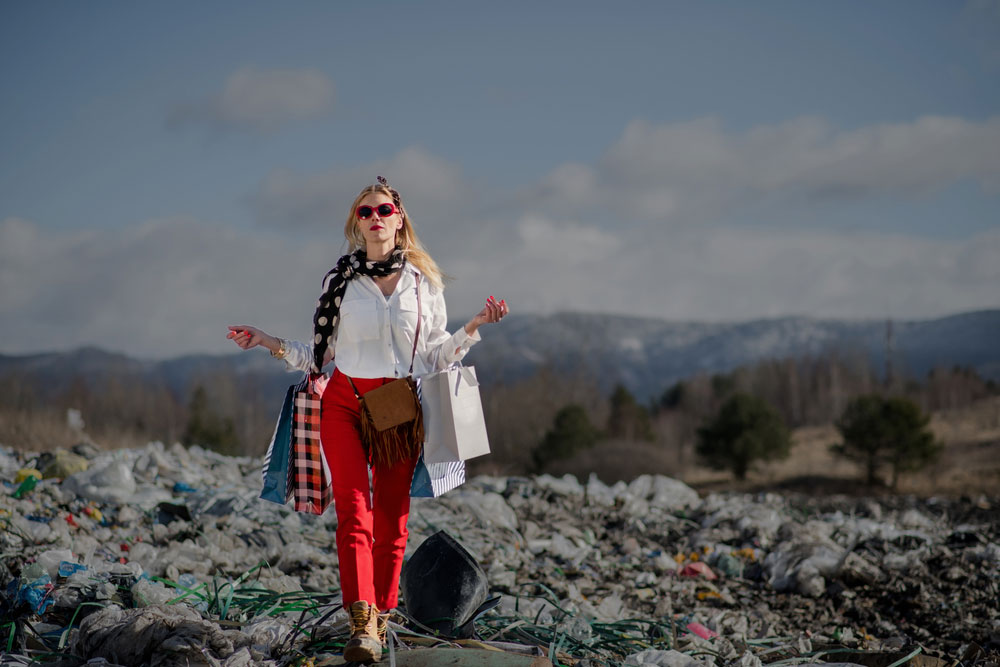
Fast fashion has reshaped the global clothing industry over the past two decades. Trend cycles that once lasted months now change in weeks. Garments are produced at high speed, sold at low prices, and often discarded after only a few wears. While this model has made fashion more accessible, it has also intensified environmental pressures at every stage of the supply chain.
This article explores how fast fashion affects natural resources, ecosystems, and the climate—and why the consequences are more complex than they first appear.
What Is Fast Fashion?
Fast fashion refers to the rapid production of inexpensive clothing inspired by current runway or celebrity trends. Brands use streamlined design, outsourced manufacturing, and data-driven marketing to move new styles from concept to store shelves in record time.
Key characteristics include:
-
High production volumes
-
Low-cost materials
-
Short product life cycles
-
Frequent consumer turnover
The environmental impact stems not from fashion itself, but from the scale and speed of this system.
Resource Depletion and Water Consumption
The fashion industry is one of the most resource-intensive sectors globally. Producing clothing requires vast quantities of water, energy, and raw materials.
Water Usage
Cotton, a staple fiber in fast fashion, is extremely water-intensive. Growing and processing cotton for a single T-shirt can require thousands of liters of water. In regions already facing water scarcity, large-scale cotton farming strains freshwater supplies and contributes to soil degradation.
Synthetic Fibers and Fossil Fuels
Many fast fashion garments are made from polyester and other synthetic fibers. These materials are derived from petroleum, making them directly linked to fossil fuel extraction. Their production consumes significant energy and generates greenhouse gas emissions.
Over time, repeated washing of synthetic clothing releases microplastics into waterways, which accumulate in marine ecosystems and enter the food chain.
Pollution and Chemical Waste
Textile production involves dyes, bleaches, and finishing agents that often contain hazardous chemicals. In countries with weak environmental regulations, untreated wastewater from factories can enter rivers and groundwater.
The consequences include:
-
Water contamination
-
Toxicity to aquatic life
-
Soil degradation near manufacturing zones
-
Health risks for nearby communities
In addition, synthetic textiles shed microfibers during washing. These particles bypass many wastewater treatment systems and eventually reach oceans.
Carbon Emissions and Climate Change
Fast fashion contributes significantly to global carbon emissions. Emissions arise from multiple sources:
-
Energy-intensive textile manufacturing
-
Global transportation networks
-
Frequent consumer purchases and disposal
-
Incineration of unsold inventory
Because fast fashion depends on constant production and rapid trend turnover, it drives a continuous cycle of extraction, manufacturing, shipping, and waste. This linear model—take, make, discard—accelerates climate impact.
Textile Waste and Landfills
One of the most visible consequences of fast fashion is waste. Clothing has become increasingly disposable. Many garments are worn only a handful of times before being discarded.
Each year, millions of tons of textiles end up in landfills. Synthetic fibers can take decades or even centuries to decompose. As they break down, they may release methane and other greenhouse gases.
Even donated clothing often faces challenges:
-
Not all items can be resold
-
Excess garments are exported to developing countries
-
Local waste systems become overwhelmed
This overflow disrupts local economies and contributes to environmental degradation abroad.
Biodiversity Loss and Land Use
The environmental footprint extends beyond pollution and emissions. Large-scale cotton farming often involves:
-
Heavy pesticide use
-
Monoculture farming practices
-
Habitat destruction
These practices reduce soil fertility and threaten biodiversity. Similarly, viscose production, another common textile material, can contribute to deforestation when sourced unsustainably.
When ecosystems are disrupted, the damage can persist for decades.
The Hidden Cost of Cheap Clothing
The low retail price of fast fashion does not reflect its environmental cost. The system externalizes damage onto ecosystems, communities, and future generations.
The real price includes:
-
Depleted water reserves
-
Increased greenhouse gases
-
Toxic exposure
-
Mounting landfill waste
Consumers rarely see these impacts directly, yet they are embedded in each low-cost garment.
Moving Toward Sustainable Alternatives
Reducing the environmental impact of fashion does not require eliminating style or creativity. Instead, it requires systemic change and informed choices.
Consumer Actions
-
Buy fewer, higher-quality garments
-
Choose natural or recycled fibers
-
Support transparent and ethical brands
-
Repair, reuse, and recycle clothing
Industry Innovations
-
Circular fashion models
-
Closed-loop recycling systems
-
Sustainable material development
-
Improved wastewater treatment
Transitioning from a linear to a circular system—where materials are reused rather than discarded—offers a pathway to lower environmental harm.
Conclusion
Fast fashion’s environmental impact is the result of speed, scale, and disposability. From water depletion and chemical pollution to carbon emissions and textile waste, its effects ripple across ecosystems worldwide.
Addressing these challenges requires coordinated effort from manufacturers, policymakers, and consumers alike. While change will not happen overnight, awareness and accountability are essential first steps toward a more sustainable fashion industry.
Frequently Asked Questions (FAQ)
1. How does fast fashion affect developing countries environmentally?
Manufacturing hubs in developing nations often face water pollution, air contamination, and landfill overflow due to textile production and discarded clothing imports.
2. Why are synthetic fabrics considered environmentally harmful?
Synthetic materials like polyester are derived from fossil fuels and shed microplastics during washing, contributing to long-term ocean pollution.
3. Is recycling clothing enough to solve the problem?
Recycling helps reduce waste but cannot offset the massive volume of new production. Reducing overall consumption remains critical.
4. How long do synthetic clothes take to decompose?
Polyester and similar materials can take decades to centuries to break down in landfills.
5. Does fast fashion impact climate change significantly?
Yes. The industry generates substantial carbon emissions through manufacturing, transportation, and waste disposal.
6. Are natural fibers always better for the environment?
Not necessarily. While biodegradable, fibers like conventional cotton require large amounts of water and pesticides unless grown sustainably.
7. What role do governments play in addressing fast fashion’s impact?
Governments can implement environmental regulations, promote recycling infrastructure, and enforce transparency in supply chains to reduce harm.
