

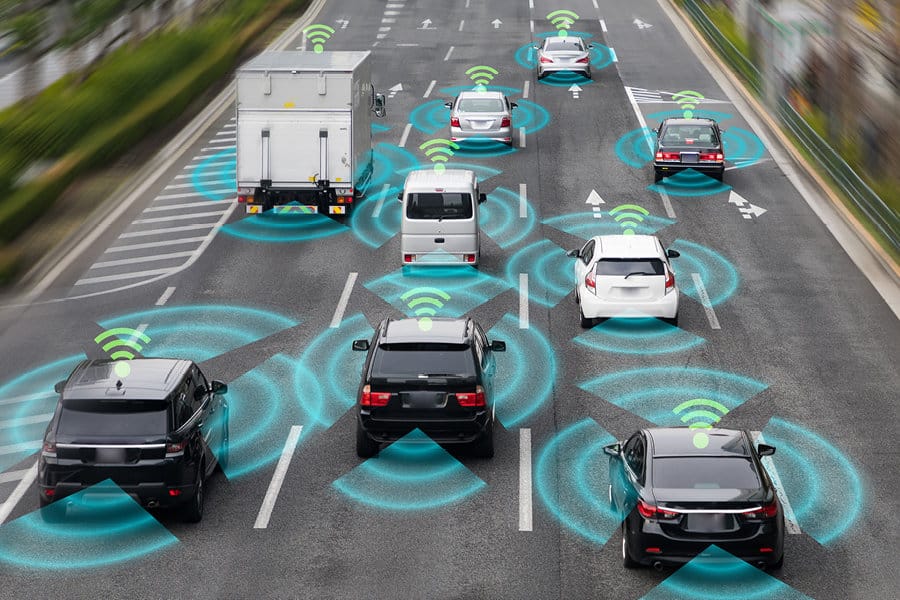
The automotive industry is undergoing one of its most significant transformations since the invention of the internal combustion engine. Vehicles are no longer isolated mechanical machines; they are evolving into software-driven, internet-connected mobility platforms. Smart cars and connected vehicles now integrate sensors, cloud computing, artificial intelligence, and real-time data exchange to improve safety, efficiency, and user experience.
This shift is not merely about convenience. It is redefining how people interact with vehicles, how cities manage traffic, and how manufacturers design transportation systems for the future.
What Are Smart Cars and Connected Vehicles?
Although often used interchangeably, these terms have distinct meanings.
-
Smart cars refer to vehicles equipped with advanced onboard computing systems, artificial intelligence, and automation capabilities.
-
Connected vehicles are automobiles that communicate with external systems such as other vehicles, infrastructure, cloud platforms, and mobile devices.
Most modern vehicles combine both features, creating an integrated digital ecosystem.
Core Technologies Behind Smart Vehicles
The rise of intelligent transportation is powered by several key innovations:
-
Internet of Things (IoT): Enables vehicles to connect with external devices and networks.
-
Artificial Intelligence (AI): Powers driver assistance, predictive maintenance, and autonomous driving features.
-
5G Connectivity: Provides low-latency communication for real-time data sharing.
-
Advanced Sensors: Including LiDAR, radar, ultrasonic sensors, and high-resolution cameras.
-
Cloud Computing: Stores and processes massive amounts of vehicle-generated data.
Together, these technologies transform cars into mobile data centers on wheels.
Key Features Driving Adoption
Smart and connected vehicles offer a wide range of features that enhance safety, comfort, and operational efficiency.
1. Advanced Driver Assistance Systems (ADAS)
ADAS technologies reduce accidents by assisting drivers in real-time. Common features include:
-
Adaptive cruise control
-
Lane-keeping assistance
-
Automatic emergency braking
-
Blind-spot monitoring
These systems rely on sensors and AI algorithms to interpret surroundings and respond faster than human reaction times.
2. Vehicle-to-Everything (V2X) Communication
V2X enables vehicles to communicate with:
-
Other vehicles (V2V)
-
Road infrastructure (V2I)
-
Pedestrians (V2P)
-
Cloud networks (V2N)
This connectivity improves traffic flow, reduces congestion, and enhances road safety by sharing real-time data.
3. Over-the-Air (OTA) Software Updates
Manufacturers can now update vehicle software remotely, similar to smartphones. OTA updates allow:
-
Bug fixes without dealership visits
-
Performance improvements
-
Security patches
-
Feature upgrades
This reduces maintenance costs and extends the lifecycle of vehicles.
4. Real-Time Diagnostics and Predictive Maintenance
Smart cars continuously monitor engine performance, battery health, and component wear. Drivers receive alerts before mechanical failures occur, minimizing unexpected breakdowns.
The Role of Data in Smart Mobility
Modern connected vehicles generate terabytes of data annually. This data supports:
-
Predictive traffic management
-
Personalized driving experiences
-
Insurance telematics models
-
Fleet optimization for commercial operators
Data analytics enables manufacturers and service providers to refine vehicle performance and introduce new services.
However, this data-driven model also introduces new responsibilities regarding privacy, encryption, and cybersecurity.
Cybersecurity Challenges and Solutions
As connectivity increases, so do security risks. Vehicles connected to external networks can become potential targets for cyberattacks.
Key concerns include:
-
Unauthorized remote access
-
Data breaches
-
System manipulation
To mitigate these risks, manufacturers implement:
-
End-to-end encryption
-
Secure software architectures
-
Regular security updates
-
Intrusion detection systems
Governments and industry regulators are also introducing stricter cybersecurity standards for connected vehicles.
Impact on Urban Mobility
Smart vehicles are influencing how cities function.
Smarter Traffic Management
Connected cars provide real-time traffic data, enabling city authorities to optimize signal timing and reduce congestion.
Integration with Smart Cities
In smart urban ecosystems, vehicles interact with:
-
Smart traffic lights
-
Digital toll systems
-
Intelligent parking networks
-
Public transportation platforms
This creates a more synchronized and efficient mobility network.
Environmental Benefits
Connected systems improve fuel efficiency through optimized routing and smoother traffic flow. Electric smart vehicles further reduce emissions by integrating battery management systems and charging network connectivity.
Economic and Industry Implications
The rise of connected vehicles is reshaping the automotive business model.
Software-Defined Vehicles
Manufacturers increasingly treat vehicles as software platforms. Revenue now extends beyond initial sales to include:
-
Subscription-based services
-
Feature unlocks
-
Connectivity packages
-
Autonomous driving upgrades
Partnerships and Ecosystems
Automakers collaborate with technology companies, telecom providers, and cloud service platforms to develop integrated mobility solutions.
The industry is shifting from purely manufacturing-driven strategies to mobility-as-a-service (MaaS) frameworks.
The Road Toward Autonomous Driving
Connected vehicles are a stepping stone toward full autonomy. Autonomous systems rely heavily on:
-
Real-time data exchange
-
High-definition mapping
-
Machine learning algorithms
-
Redundant sensor networks
While fully self-driving vehicles are still evolving, incremental automation is becoming mainstream in new models.
Challenges Slowing Adoption
Despite rapid growth, several obstacles remain:
-
High development costs
-
Infrastructure limitations in rural regions
-
Data privacy regulations
-
Consumer trust concerns
Overcoming these barriers will require collaboration between governments, technology providers, and automotive manufacturers.
The Future of Connected Mobility
The trajectory of smart cars suggests a future where vehicles are:
-
Fully integrated into digital ecosystems
-
Capable of autonomous navigation
-
Powered by sustainable energy sources
-
Continuously upgraded through software
As 5G networks expand and AI algorithms improve, connected vehicles will become more efficient, safer, and increasingly autonomous.
The transformation is not simply technological; it is structural. Transportation is shifting from isolated ownership models toward intelligent, interconnected mobility systems designed around data and user experience.
Frequently Asked Questions (FAQs)
1. How do connected vehicles improve road safety?
Connected vehicles share real-time data about road conditions, traffic congestion, and potential hazards. This allows drivers and automated systems to react faster and avoid accidents.
2. Are smart cars dependent on internet connectivity?
Many features require internet access, particularly cloud-based services and V2X communication. However, core driving functions and safety systems operate independently of continuous connectivity.
3. Can connected vehicles operate without 5G?
Yes. While 5G enhances performance with low latency, many connected features function on 4G LTE networks. 5G mainly improves speed and reliability for advanced applications.
4. Do smart cars collect personal data?
Yes, they collect data such as driving behavior, vehicle performance, and location. Manufacturers typically anonymize and encrypt this data, but privacy policies vary by company and region.
5. What is the lifespan of smart vehicle software?
Software can be updated throughout the vehicle’s operational life via over-the-air updates, meaning functionality may improve years after purchase.
6. Are connected vehicles more expensive to maintain?
Not necessarily. Predictive maintenance and remote diagnostics can reduce repair costs by identifying issues early and minimizing dealership visits.
7. How close are we to fully autonomous vehicles?
Partial automation is already common. Fully autonomous vehicles are still under development and regulatory review, with gradual deployment expected over the coming decade.
