

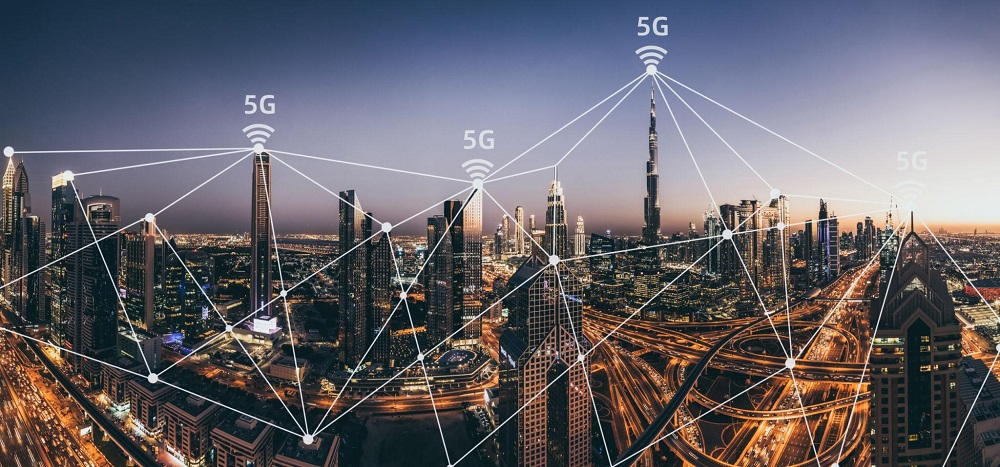
The arrival of 5G wireless technology marks a turning point in how digital systems connect, communicate, and evolve. Unlike earlier mobile standards, 5G is not simply about faster downloads. It reshapes the digital ecosystem by enabling real-time communication, massive device connectivity, and highly reliable low-latency performance.
From smart cities to remote surgery, 5G is accelerating innovation across industries and redefining how businesses design products, services, and customer experiences.
What Makes 5G Different?
To understand its influence on digital innovation, it’s important to examine the technical leap that 5G represents.
Key Technical Advancements
-
Ultra-low latency (as low as 1 millisecond)
-
High bandwidth capable of multi-gigabit speeds
-
Massive device connectivity for IoT ecosystems
-
Network slicing for customized virtual networks
-
Enhanced reliability for mission-critical operations
These capabilities combine to form a digital infrastructure that supports technologies previously limited by bandwidth and latency constraints.
Transforming Industries Through Real-Time Connectivity
1. Smart Cities and Urban Infrastructure
5G supports interconnected traffic systems, public safety networks, and energy grids. Sensors and devices communicate instantly, enabling:
-
Intelligent traffic management
-
Predictive maintenance of infrastructure
-
Real-time environmental monitoring
-
Improved emergency response systems
Cities leveraging 5G can reduce congestion, optimize energy usage, and improve overall public services.
2. Healthcare Innovation
Healthcare is one of the most promising beneficiaries of 5G’s capabilities.
-
Remote surgeries powered by real-time robotic precision
-
High-resolution telemedicine consultations
-
Continuous patient monitoring via IoT devices
-
Faster transmission of medical imaging data
The ultra-low latency ensures minimal delay, which is critical when seconds can determine outcomes.
3. Autonomous Vehicles and Smart Transportation
Autonomous vehicles rely on instant data exchange between vehicles, sensors, and cloud systems. 5G enables:
-
Vehicle-to-everything (V2X) communication
-
Real-time hazard detection
-
Adaptive traffic coordination
-
Reduced accident risks
Without near-instant communication, autonomous mobility would struggle to operate safely at scale.
Fueling the Internet of Things (IoT)
The Internet of Things depends on stable and scalable connectivity. With its ability to connect millions of devices per square kilometer, 5G supports:
-
Smart homes and connected appliances
-
Industrial IoT in manufacturing
-
Agricultural monitoring systems
-
Supply chain tracking
This level of connectivity allows organizations to gather richer data and apply analytics more effectively.
Driving Edge Computing and Cloud Evolution
5G and edge computing work hand in hand. Because data can be processed closer to the source, systems experience reduced latency and enhanced performance.
This synergy allows:
-
Real-time AI applications
-
Augmented and virtual reality experiences
-
Industrial automation
-
Faster content delivery
As cloud platforms integrate with 5G infrastructure, businesses can design more responsive digital services.
Enhancing Immersive Technologies
Augmented Reality (AR), Virtual Reality (VR), and Extended Reality (XR) demand both speed and low latency. 5G enables smoother immersive experiences by:
-
Reducing motion lag
-
Supporting high-definition streaming
-
Enabling collaborative virtual environments
-
Powering cloud-based gaming
The entertainment, education, and training sectors benefit from this transformation, creating new revenue streams and engagement models.
Empowering Digital Entrepreneurship
5G lowers barriers to entry for startups and innovators. With reliable high-speed connectivity, entrepreneurs can build scalable digital platforms without heavy infrastructure investments.
Key advantages include:
-
Faster prototyping and deployment
-
Enhanced remote collaboration
-
Greater access to global markets
-
Improved user experience for digital services
This infrastructure shift accelerates experimentation and shortens innovation cycles.
Challenges and Considerations
Despite its promise, 5G adoption presents challenges:
-
High infrastructure deployment costs
-
Spectrum allocation complexities
-
Cybersecurity risks in expanded IoT networks
-
Regulatory and policy barriers
Organizations must balance opportunity with responsible implementation, ensuring robust security and equitable access.
Economic and Global Impact
The economic implications of 5G extend far beyond telecommunications. It stimulates job creation, drives new business models, and enhances productivity across sectors.
Governments investing in 5G infrastructure position themselves as hubs for digital innovation, attracting technology firms and research initiatives.
As industries digitize further, 5G becomes a foundational layer of modern economies.
The Future Outlook
The full impact of 5G is still unfolding. As networks mature and adoption expands, new applications will emerge—many of which are not yet imagined.
Integration with artificial intelligence, robotics, blockchain, and quantum computing could further amplify its influence. What remains clear is that 5G is not merely an upgrade; it is a catalyst for systemic digital transformation.
Frequently Asked Questions (FAQs)
1. How does 5G improve business competitiveness?
5G enables faster data exchange, real-time analytics, and automation, allowing businesses to optimize operations, reduce downtime, and deliver enhanced customer experiences.
2. Is 5G necessary for small businesses?
While not mandatory, small businesses can benefit from improved connectivity, cloud-based tools, and advanced digital services that rely on high-speed, low-latency networks.
3. How secure is 5G compared to previous networks?
5G incorporates stronger encryption and authentication protocols, but the increased number of connected devices introduces new security considerations that must be managed carefully.
4. Will 5G replace Wi-Fi?
5G is not designed to replace Wi-Fi entirely. Instead, both technologies complement each other, with Wi-Fi serving indoor networks and 5G providing broader mobile connectivity.
5. How does 5G affect rural connectivity?
5G has the potential to improve rural broadband access, though infrastructure costs and geographic challenges may slow deployment in less populated regions.
6. Can 5G reduce operational costs for industries?
Yes. Automation, predictive maintenance, and efficient data processing reduce downtime and improve resource allocation, lowering long-term operational expenses.
7. What role does 5G play in sustainability?
By optimizing energy usage, enabling smart grids, and supporting efficient logistics, 5G contributes to reduced emissions and improved environmental management.
